

Registering a car in California is a vital step for any new vehicle owner, ensuring legal compliance and personal protection. However, navigating the process can be daunting, given the myriad of requirements and paperwork involved. This comprehensive guide aims to demystify the registration procedure, empowering California drivers with knowledge. We’ll walk you through each step, from gathering essential documents to utilizing reliable tools like the DMV’s VIN verifier to ensure a smooth and efficient experience. By the end, you’ll be equipped to register your vehicle with confidence.
- Prepare Required Documents for Car Registration
- Understand California's Vehicle Identification Number (VIN) Verification Process
- Visit a California Department of Motor Vehicles (DMV) Office or Use Online Services
- Complete the Registration Application Form Accurately
- Pay the Necessary Fees and Receive Your Registration Papers
Prepare Required Documents for Car Registration

Registering a car in California involves gathering and preparing several essential documents. One crucial step in this process is ensuring your vehicle’s Vehicle Identification Number (VIN) is accurately verified. The California Department of Motor Vehicles (DMV) recommends using a DMV VIN verifier to confirm the VIN’s legitimacy, which can be done through a mobile vin inspection or by visiting an authorized location. This verification is critical as it safeguards against fraud and ensures you’re providing accurate information.
To prepare for car registration, collect documents such as the title, registration certificates from previous states (if applicable), proof of insurance, and a valid driver’s license. Additionally, have your vehicle’s maintenance records ready, as they can demonstrate its condition and history. If you’ve recently purchased a used car, a mobile vin inspection by a trusted verifier can provide peace of mind, ensuring the VIN matches the vehicle you own. It’s also advisable to double-check the vehicle’s make, model, and year for any discrepancies.
The process becomes smoother when all required documents are in order. For instance, some applicants may need to correct errors on their titles or obtain a replacement title before proceeding with registration. Utilizing mobile vin inspection services can save time by streamlining the initial verification step, allowing you to focus on gathering other necessary documents. Remember, accuracy and completeness are key to ensuring a seamless car registration experience in California.
Understand California's Vehicle Identification Number (VIN) Verification Process

Registering a car in California involves a meticulous process designed to ensure vehicle safety and identity verification. A crucial component of this is the Vehicle Identification Number (VIN) verification, which plays a pivotal role in establishing the vehicle’s legitimacy. The California Department of Motor Vehicles (DMV) mandates that all vehicles seeking registration undergo a thorough VIN inspection. This verification process not only confirms the authenticity of the vehicle but also checks for any reported thefts or outstanding issues.
The DMV employs vin verifier tools, often mobile vin verifiers, to conduct remote and efficient inspections. These mobile vin verification services utilize advanced technology to cross-reference the VIN data against state databases, ensuring accuracy and speed. For instance, a mobile vin inspection app can transmit the vehicle’s unique 17-character VIN number to a centralized system, which then compares it against recorded data, including historical maintenance records, accident reports, and any reported thefts. This digital approach streamlines the registration process, making it more convenient for both vehicle owners and DMV staff.
When conducting a California car registration, individuals can expect a systematic check. The mobile vin verifier will access state records to validate the VIN’s formatting, sequence, and overall authenticity. In some cases, further manual checks may be required, especially if there are discrepancies or if the vehicle has undergone significant modifications. It’s essential to cooperate fully with the DMV’s verification process, as any failed inspection may result in registration delays or denial. By adhering to these procedures, both car owners and the DMV ensure that only legitimate vehicles enter California’s roads, enhancing overall public safety.
Visit a California Department of Motor Vehicles (DMV) Office or Use Online Services
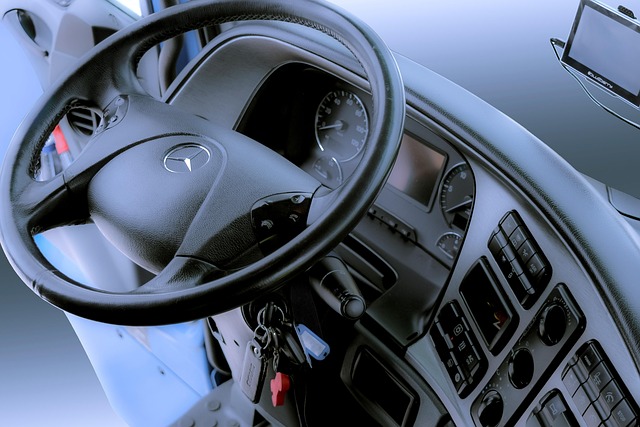
To register your car in California, you have two primary options: visiting a local DMV office or utilizing online services, both of which streamline the process to ensure a smooth experience for vehicle owners. If you prefer a hands-on approach, scheduling an appointment at your nearest California Department of Motor Vehicles (DMV) office is advisable. There, knowledgeable staff can guide you through the registration process and handle any necessary paperwork. It’s ideal for first-time registrants or those seeking personalized assistance.
For those who value convenience and time-saving methods, the DMV offers robust online services that allow you to register your vehicle from the comfort of home. This digital approach is particularly convenient during peak hours when offices might be bustling. Utilizing the DMV’s online platform, you can start the registration process, verify your Vehicle Identification Number (VIN) using their official verifier, and even schedule a mobile VIN inspection or verification if needed. This service ensures that every step of the registration journey is transparent and efficient.
If your vehicle has been recently purchased from an out-of-state dealer, you may require additional documentation for a smooth registration process. In such cases, considering a mobile VIN inspection can be beneficial, as it provides instant verification without the need to visit a physical location. This option is particularly appealing for folks with busy schedules or those who live in remote areas. By employing these modern solutions, including online services and mobile inspections, you can navigate the registration process efficiently, ensuring your vehicle is legally registered within the Golden State.
Complete the Registration Application Form Accurately

Completing the Registration Application Form accurately is a crucial step when registering your car in California. The form, often referred to as the California Vehicle Registration and Title Application (DMV Form VR247), requires meticulous attention to detail. Every piece of information must be precise, from your personal data to the vehicle’s details. One critical component is ensuring the accuracy of the Vehicle Identification Number (VIN). This unique code is like a fingerprint for your car, and any errors could lead to delays or issues with future mobile vin verification or inspections.
Use the DMV’s vin verifier tool to cross-reference the VIN provided by the manufacturer or dealer. This digital inspection ensures that the vehicle matches the details on file, enhancing the accuracy of the registration process. For instance, if you’re opting for a mobile vin inspection, ensuring the VIN is correct from the outset can save time and effort. It’s also beneficial to double-check the make, model, year, and other identifying factors. Small mistakes, like transposing numbers or misreading characters, could result in registration delays or even rejection.
Consider using official DMV resources or seeking guidance from experts to fill out the form properly. Many counties in California now offer online registration, which provides step-by-step instructions to help you avoid errors. Additionally, mobile vin verification apps can streamline the process by allowing you to input your VIN and receive instant vehicle history reports. By employing these tools and taking a methodical approach, you can ensure that your car’s registration is accurate from the beginning, promoting a smooth experience during the entire process.
Pay the Necessary Fees and Receive Your Registration Papers

After completing the application process for registering your car in California, the next step involves paying the necessary fees and receiving your registration papers. This phase is crucial to ensure that your vehicle complies with state regulations and you’re legally recognized as the owner. The California Department of Motor Vehicles (DMV) requires specific documentation and payments for a smooth registration experience.
To streamline this process, many residents opt for convenient services like mobile VIN inspection or mobile VIN verification. These options allow you to complete a portion of the preparation from the comfort of your home or office. A mobile VIN verifier can check the vehicle’s history, including any previous accidents or outstanding issues, using the unique Vehicle Identification Number (VIN). This ensures that all documentation is in order before proceeding with registration, avoiding potential delays.
When ready to pay, visit the DMV website or a local field office. You’ll typically need to remit fees for registration, title transfer, and possibly other associated costs based on your vehicle’s type and age. Keep in mind that fees can vary depending on various factors, such as whether you’re registering a new or used car, or if it’s a replacement title. It’s essential to have all necessary documents and fees prepared to expedite the process. Once processed, the DMV will issue your registration papers, officially registering your vehicle in California.
By meticulously preparing required documents, understanding California’s VIN verification process, accurately completing application forms, paying requisite fees, and obtaining registration papers, you streamline the car registration process. The California Department of Motor Vehicles (DMV) offers both in-person and online services for your convenience. Key insights include the importance of accurate documentation, the role of the DMV VIN verifier in confirming vehicle identity, and the need to ensure all information is correct to avoid delays. Moving forward, you’re now equipped with the knowledge to navigate the car registration process efficiently and ensure your vehicle’s legal status in California.