

Registering a car in California is a crucial step for any new or existing vehicle owner, ensuring legal compliance and ownership protection. However, the process can be cumbersome, with various requirements and potential pitfalls. From gathering necessary documents to understanding fee structures, many find the task overwhelming. This article serves as your comprehensive guide, offering step-by-step instructions on how to navigate this process seamlessly. We’ll delve into critical aspects such as VIN verification, ensuring accuracy throughout, and providing valuable insights to make registration a breeze.
- Prepare Required Documents for Car Registration
- Understand California Vehicle Registration Process
- Obtain a Vehicle Identification Number (VIN) Verification
- Visit the DMV: In-Person Registration Steps
- Complete Online Car Registration in California
Prepare Required Documents for Car Registration

Before you begin the car registration process in California, it’s crucial to prepare all necessary documents, ensuring a smooth and efficient experience. The first step involves gathering essential papers that prove your vehicle’s identity and your right to operate it legally. This includes providing proof of ownership, such as a purchase agreement or previous registration documents. For example, if you’ve recently bought a car, the seller should provide a bill of sale detailing the transaction. Alternatively, if you’re transferring ownership from one individual to another, a signed and notarized document confirming the transfer is required.
Another critical component is ensuring your Vehicle Identification Number (VIN) is accurately verified. This unique 17-character code serves as a digital fingerprint for your vehicle and can be used to access detailed history reports, which are essential for accurate registration. Consider opting for a mobile VIN inspection or verification service to streamline this process. These services send a technician to your location, who uses specialized equipment to validate the VIN and transfer the data securely to the appropriate authorities. This modern approach saves time and effort compared to traditional methods of visiting a DMV office.
Additionally, you’ll need current registration documents from your previous state if you’re transferring your car to California. These documents will facilitate the transition and ensure that all necessary updates are made accurately. It’s worth noting that some states offer online services for VIN verification, which can be conveniently accessed during your registration preparation. While these digital tools aren’t always mobile in nature, they provide a quick way to obtain crucial vehicle history information. Ensure that you have all these documents ready before proceeding with the registration process.
Understand California Vehicle Registration Process
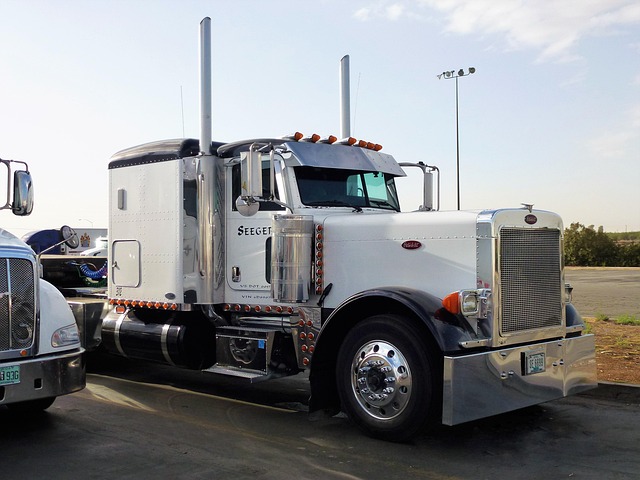
Registering a car in California involves several crucial steps, each designed to ensure vehicle safety and compliance with state regulations. Understanding the California vehicle registration process begins with verifying the Vehicle Identification Number (VIN). This step is paramount as it establishes the vehicle’s history, including ownership records and any previous accidents or damage, facilitating accurate registration. A key method for this VIN verification is through mobile vin inspection or mobile vin verification services that provide a convenient, often on-site, means of cross-referencing the VIN data with state databases.
California requires vehicles to undergo an emission test alongside the VIN inspection. This ensures that registered cars meet environmental standards set by the state. The process can be streamlined through online registration platforms or at designated vehicle inspection stations. It’s important to note that certain vehicle types, like classic cars or those over a specified age, might be exempt from some registration requirements, but they still need proper documentation to prove their historical significance.
Once all necessary verifications and tests are complete, the owner can proceed with the registration at a California Department of Motor Vehicles (DMV) office or through an online portal. Required documents include proof of identity, vehicle ownership, and insurance. The DMV will assign a unique registration plate based on availability and issue a formal registration certificate. Maintaining up-to-date registration is essential for legal driving privileges, as well as ensuring access to services like vehicle recovery in case of theft.
Regular mobile vin verification or inspection can help prevent potential issues related to vehicle history. For instance, California has stringent rules against selling vehicles with outstanding loans or stolen parts. By utilizing these advanced verification methods, car owners can protect themselves from legal complications and ensure their vehicles remain in compliance with state laws. This proactive approach not only saves time but also fosters a transparent automotive ecosystem.
Obtain a Vehicle Identification Number (VIN) Verification

Obtaining a Vehicle Identification Number (VIN) verification is a crucial step in the car registration process in California. This involves ensuring that your vehicle’s VIN is accurate and accessible to state authorities. A valid VIN inspection serves as proof of ownership and facilitates a smooth registration experience. Many California residents opt for mobile VIN verifiers, which offer convenience by conducting inspections at your location, whether it’s at home or work. These services have become increasingly popular due to their efficiency and user-friendly approach.
The importance of VIN verification cannot be overstated. It is a critical component in preventing auto theft and ensuring the integrity of vehicle records. California’s Department of Motor Vehicles (DMV) maintains rigorous standards for VIN inspections. A mobile VIN inspection service, for instance, employs advanced technology to cross-reference your vehicle’s information with national databases, providing instant validation. This modern approach streamlines the process, eliminating the need for lengthy visits to DMV offices or waiting times.
During a VIN verification, several key aspects are evaluated, including the vehicle’s make, model, year, and unique identification number. It’s essential to have accurate documentation, such as your registration papers and proof of ownership, readily available. Many mobile VIN verifier companies provide on-site inspections, where a trained specialist will check your vehicle against industry standards and state regulations. This service is particularly beneficial for those with busy schedules or limited mobility, ensuring the registration process is hassle-free and completed in a timely manner.
Visit the DMV: In-Person Registration Steps

To register your car in California, you’ll need to visit a local Department of Motor Vehicles (DMV) office. This process involves several steps, with a primary focus on accurate and legitimate vehicle identification number (VIN) verification. Upon arrival at the DMV, locate the dedicated VIN inspection area where trained personnel will cross-reference the VIN on your car’s registration documents against their database to ensure authenticity. It’s crucial to present valid documentation, including proof of ownership and identity, to streamline this process.
If you’re unable or unwilling to visit a DMV in person, consider leveraging modern solutions like mobile VIN verifiers. These applications utilize GPS technology and digital databases to perform real-time VIN inspections, offering convenience and accuracy. For instance, some mobile apps enable users to scan the VIN from their smartphone’s camera, providing instant feedback on the vehicle’s history, potential red flags, and any outstanding issues that might affect registration. This alternative method is especially beneficial for those living in remote areas or facing time constraints.
During your visit, be prepared with all necessary documents, such as the title, insurance proof, and any required forms. The DMV official will guide you through the process, ensuring your vehicle meets all safety standards and legal requirements. Always verify that the information on your registration matches your car’s VIN to avoid any delays or complications. Remember, accurate VIN verification is a cornerstone of the registration process in California, ensuring a secure and responsible automotive ecosystem.
Complete Online Car Registration in California

Registering a car in California involves several steps, but completing the online process can significantly streamline the experience. This modern approach allows owners to conduct essential tasks from the comfort of their homes, saving time and effort. The first step is to ensure your vehicle’s Vehicle Identification Number (VIN) is verified. Utilizing a mobile VIN verifier, you can quickly confirm this critical detail, which serves as a unique fingerprint for your car. This verification process is crucial for accurate registration.
Once the VIN is confirmed, California residents can initiate the online registration through the Department of Motor Vehicles (DMV) website. The platform guides users through a series of steps, collecting necessary information and documents. This includes details about the vehicle’s make, model, year, and ownership history. During this process, you may be prompted to upload images of your car, which aids in further verification. It’s important to ensure all information is accurate to avoid future issues.
After completing the online form, the DMV will perform a final VIN inspection to match the provided data with their records. This step ensures the integrity of the registration process. Successful completion leads to the issuance of a registration certificate and license plate, enabling you to legally operate your vehicle on California roads. The entire process can often be accomplished within a few business days, offering a convenient and efficient alternative to traditional in-person registration.
Registering a car in California involves several crucial steps, from preparing essential documents to visiting the DMV. Key takeaways include the imperative need for accurate and complete paperwork, particularly during the VIN verification process. Obtaining this critical information ensures a smooth registration experience. Whether conducting the process in-person or online, understanding the state’s procedures is paramount. By following these outlined steps—from gathering required documents to completing the necessary verifications—residents can efficiently navigate the California vehicle registration process, ensuring their vehicles are legally recognized on the road.