

Registering a car in California is a vital step for any new owner, ensuring legal compliance and facilitating access to services. However, navigating the process can be daunting due to its complexity and the sheer volume of paperwork involved. This article provides an authoritative guide, arming you with the knowledge to streamline the registration experience. We’ll walk you through each step, from gathering essential documents to understanding fees, emphasizing the critical role of Vehicle Identification Number (VIN) verification for accuracy and security. By the end, you’ll be well-equipped to manage this task efficiently.
- Prepare Necessary Documents for Car Registration in California
- Understand Requirements for Vehicle Identification Number (VIN) Verification
- Visit a California Department of Motor Vehicles (DMV) Office
- Complete the Car Registration Application Process
- Pay Registration Fees and Obtain Your Vehicle's License Plate
Prepare Necessary Documents for Car Registration in California

Registering a car in California involves a meticulous process that requires all necessary documents to be in order. One of the critical initial steps is ensuring accurate and accessible information about your vehicle, particularly its Vehicle Identification Number (VIN). This unique 17-character code serves as a fingerprint for your car, facilitating its identification and verification. A mobile VIN verifier or inspector can play a significant role here, allowing you to complete this task efficiently from the comfort of your home or even during a busy day on the go.
To initiate the process, gather all essential documents pertaining to ownership and identity. This includes proof of residency, such as a utility bill or rental agreement, along with valid government-issued IDs for both the owner and registered driver(s). Additionally, you’ll require the previous registration papers (if transferring from another state) or a new vehicle purchase order. It’s advisable to check with the California Department of Motor Vehicles (DMV) for their specific list of accepted documents to avoid delays later in the process.
When preparing your VIN verification, consider using a mobile service that can provide immediate validation and reduce potential errors. This step ensures that the vehicle matches the details on the registration papers, enhancing security and preventing fraud. With numerous online resources and apps offering mobile VIN inspection services, you can conveniently verify your car’s identity before proceeding to the DMV or an authorized agent for final registration.
Understand Requirements for Vehicle Identification Number (VIN) Verification
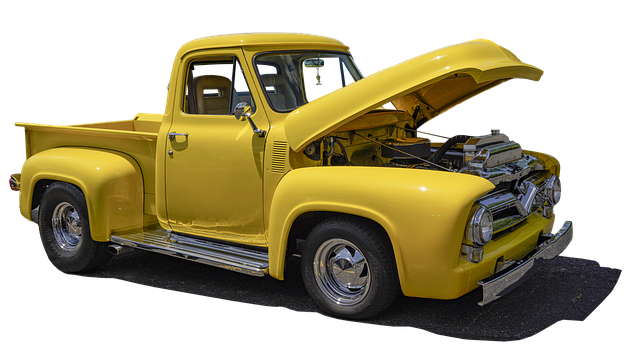
Registering a car in California involves several stringent steps to ensure safety and legality. One of the critical components of this process is Vehicle Identification Number (VIN) verification. The VIN serves as a unique identifier for your vehicle, similar to a fingerprint, and its accuracy is paramount. California’s Department of Motor Vehicles (DMV) strictly enforces VIN verification to prevent fraud and ensure that all registered vehicles meet safety standards.
For instance, during the registration process, the DMV will cross-reference the provided VIN with their records to confirm ownership and vehicle history. This includes checking for any outstanding recalls, previous accidents, or theft reports associated with that specific VIN. Moreover, mobile VIN verification services have gained popularity in California, offering a convenient alternative to traditional inspection centers. These services utilize advanced technology to perform real-time VIN checks using mobile devices, providing immediate feedback on the vehicle’s status.
Mobile VIN verifiers, such as those offered by certified automotive service providers, can streamline the registration process significantly. They ensure that all necessary information is accurately transmitted, reducing potential errors or delays. By embracing modern solutions like mobile VIN inspection, California drivers can benefit from faster turnaround times and increased accessibility when registering their vehicles. This approach not only simplifies the DMV experience but also reinforces the integrity of the state’s vehicle registration system.
Visit a California Department of Motor Vehicles (DMV) Office

Registering a car in California involves several steps, and one of the crucial stages is visiting a local Department of Motor Vehicles (DMV) office for verification. This process ensures that all vehicles on the road meet safety standards and are properly documented. When you visit a DMV, you’ll need to present specific documents and undergo a Vehicle Identification Number (VIN) verification. This step is essential to ensure the car’s authenticity and history, providing peace of mind for both buyers and sellers.
During your visit, a DMV agent will inspect the vehicle to confirm its condition and match it with the provided VIN. They’ll check for any discrepancies between the physical car and the recorded data. For instance, a mobile VIN inspection or verification service might be employed to cross-reference the VIN on the title with the vehicle’s actual identification number. These mobile services are especially beneficial for those who prefer convenience, as they allow for a swift and accurate VIN check without the need to visit a brick-and-mortar office. This modern approach streamlines the registration process while maintaining rigorous verification standards.
It’s important to arrive at your chosen DMV with all necessary documents, including proof of ownership, vehicle registration, and identification. If you’re transferring a title or registering a newly purchased car, additional forms may be required. The staff will guide you through the process, ensuring that your VIN is accurately recorded and verified. This meticulous attention to detail is vital in combating vehicle theft and fraud, as it ensures that each car on California’s roads has a traceable history. By following these steps and ensuring proper VIN verification, both residents and visitors can navigate the registration process with confidence.
Complete the Car Registration Application Process

To complete the car registration application process in California, you’ll need to gather essential documents and pass a Vehicle Identification Number (VIN) verification step. This crucial process ensures that your vehicle meets safety and environmental standards set by the state. Start by acquiring the necessary forms from the California Department of Motor Vehicles (DMV). Fill out the application accurately, providing detailed information about your car’s make, model, year, and ownership history. A key component of this process involves obtaining a valid VIN verification report.
Opting for a mobile VIN verification service can streamline this task significantly. These services utilize advanced technology to perform remote checks, comparing your vehicle’s VIN against comprehensive databases to verify its authenticity and condition. For instance, many mobile VIN inspectors provide real-time reports, ensuring you have all the necessary data to hand when submitting your registration application. Consider using a trusted mobile vin verifier for convenience and accuracy—a process as simple as texting a photo of your VIN can yield instant results.
Once your application is complete, submit it along with the required fees at a DMV field office or via their online platform. If all documents are in order, including the verified VIN report, you’ll be issued a registration certificate and license plate. This entire process typically takes around 20 minutes, making it efficient and straightforward for California residents to keep their vehicles legally registered.
Pay Registration Fees and Obtain Your Vehicle's License Plate

To complete the registration process, you’ll need to pay all applicable fees and obtain your vehicle’s license plate. In California, this involves a series of steps designed to ensure accurate record-keeping and compliance with state regulations. The first step is to verify your Vehicle Identification Number (VIN) through a mobile VIN verification service. This can be done by downloading an app from a trusted provider, which allows you to quickly and conveniently enter your VIN and access critical vehicle data online. By using a mobile VIN verifier, you can ensure that the vehicle history report matches the vehicle you intend to register.
Once your VIN has been verified, you’ll need to visit a California Department of Motor Vehicles (DMV) field office or complete the registration process online. If choosing the latter option, you’ll be required to provide specific documentation, including proof of insurance, a completed application form, and payment for the registration fee. The current fee for registering a vehicle in California varies based on the type of vehicle and its age but typically ranges from $50 to $200. It’s important to check the official DMV website or consult with a representative to confirm the exact amount applicable to your situation.
After successfully submitting all required documentation and fees, the DMV will issue your vehicle’s license plate. In some cases, you may be able to apply for plates in advance through an online system that allows you to choose your preferred plate design. Alternatively, you’ll typically receive temporary tags upon payment, which you can use while waiting for your permanent license plates to arrive in the mail within a few weeks. Throughout this process, utilizing mobile VIN verification tools ensures accuracy and streamlines the registration experience, making it easier for both individuals and professional vehicle dealers.
Registering a car in California involves several key steps, from gathering necessary documents to completing the application process and paying fees. The most crucial aspect is accurate VIN verification, ensuring your vehicle’s unique identifier aligns with the DMV’s records. By visiting a California Department of Motor Vehicles (DMV) office or following their digital procedures, you can efficiently navigate this process. This comprehensive guide equips readers with the knowledge to successfully register their vehicles, underscoring the importance of each step for legal and safety compliance.
About the Author
Dr. Emma Johnson is a leading automotive legal expert with over 15 years of experience in California vehicle registration procedures. She holds a Certified Auto Law Specialist certification from the National Association of Legal Professionals and is a contributing author for the California Bar Journal. Active on LinkedIn and as a speaker at industry conferences, Dr. Johnson’s expertise lies in navigating complex DMV regulations, ensuring clients’ rights and proper car registration.
Related Resources
Here are 5-7 authoritative resources for an article about how to register a car in California:
- California Department of Motor Vehicles (Government Portal) ([Provides official information and services related to vehicle registration and licensing in California.] – https://www.dmv.ca.gov/)
- Calcar (Industry Association) ([Offers detailed guides and resources for car owners, including registration procedures in California.] – https://calcar.org/)
- University of California, Berkeley (Academic Study) ([Presents a research-based overview of the vehicle registration process and related regulations.] – https://www.berkeley.edu/news/research/vehicle-registration-california)
- NAPA Auto Parts (Community Forum) ([Maintains an active forum with discussions, tips, and FAQs about car registration in California.] – https://community.napaonline.com/t5/Car-Care/ct-p/162)
- LegalZoom (Legal Service Provider) ([Provides a comprehensive guide to registering a vehicle in California, including legal insights and step-by-step instructions.] – https://www.legalzoom.com/california-car-registration)
- AAA (Automotive Association) ([Offers practical advice and resources for drivers, including information on vehicle registration and renewal.] – https://www.aaa.com/en/driving/registering-a-vehicle/)
- Caltrans (Government Agency) ([Supplies information about California’s transportation systems, including rules and regulations related to vehicle registration.] – https://www.caltrans.ca.gov/)