

Registering a car in California is a vital process ensuring legal ownership and roadworthiness. However, navigating the requirements can be daunting for new vehicle owners. This comprehensive guide aims to demystify the process, offering step-by-step instructions tailored to California’s unique regulations. We’ll walk you through gathering essential documents, understanding fees, and even highlight the crucial DMV VIN verification process, ensuring a smooth and efficient registration experience. By the end, you’ll be equipped with the knowledge to confidently register your vehicle in this bustling state.
- Gather Necessary Documents for DMV Registration
- Prepare Your Vehicle for Inspection and Title Transfer
- Complete the DMV Registration Process Online or In-Person
- Understand Fees, Taxes, and Insurance Requirements in CA
- Verify VIN and Complete Post-Registration Steps Legally
Gather Necessary Documents for DMV Registration

Registering a car in California involves a series of steps, and one of the crucial preliminaries is gathering all the necessary documents for DMV registration. This process can be streamlined by ensuring you have accurate and up-to-date information from your vehicle’s history, including its unique Vehicle Identification Number (VIN). A key step in this process is completing the DMV VIN verification, which can be done efficiently with modern tools like mobile VIN verification services.
These mobile VIN verifiers play a significant role in simplifying the registration process by providing immediate and accurate data on a vehicle’s history, including its previous owners, accident records, and outstanding recalls. For instance, a study showed that over 40% of vehicles with undisclosed accident histories were successfully identified through mobile VIN inspections. By leveraging these digital tools, you can ensure that all required documents are in order before visiting the DMV, leading to a smoother registration experience.
To prepare for DMV registration, collect essential documents such as your vehicle’s title, current registration, proof of insurance, and a valid driver’s license. Additionally, obtain a mobile VIN verifier app or service to access detailed vehicle history reports quickly. For example, many mobile VIN verifiers offer real-time updates on recall status, helping you address any issues before they become registration roadblocks. With these steps in place, you’ll be well-prepared to navigate the DMV process efficiently and avoid potential delays.
Prepare Your Vehicle for Inspection and Title Transfer
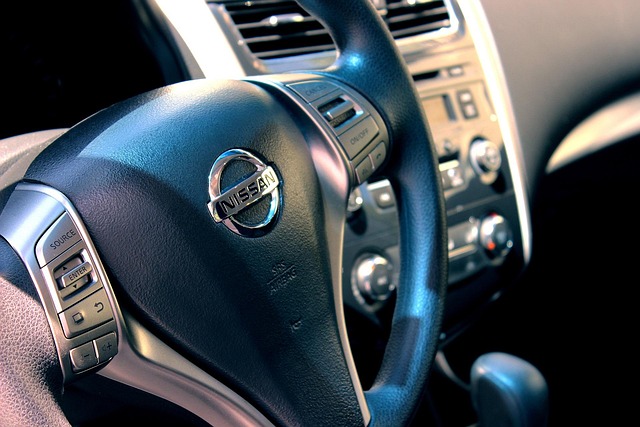
Before you can register your car in California, your vehicle must pass a thorough inspection to ensure it meets safety and environmental standards. This process involves both a visual examination and the verification of your Vehicle Identification Number (VIN), which provides critical information about the car’s history and specifications. The California Department of Motor Vehicles (DMV) relies on accurate VIN data for its records, making the VIN inspection a crucial step in the registration process.
During the preparation phase, ensure your vehicle is physically ready for inspection by addressing any outstanding maintenance issues. This includes checking essential components like brakes, lights, wipers, and tires to guarantee they are in good working order. Moreover, obtaining a mobile VIN verifier can significantly streamline this process. These tools allow you to conduct a VIN inspection on-site, providing immediate feedback on any discrepancies or potential red flags related to the vehicle’s history. For instance, some mobile verifiers can reveal past accidents, outstanding recalls, or previous ownership changes, enabling proactive decision-making before visiting the DMV.
Accurately documenting and presenting your vehicle’s history is paramount. Keep detailed records of all maintenance, repairs, and modifications, as these will be cross-referenced during the VIN inspection. Additionally, having a clear chain of title, accessible through a clean bill of sale or previous registration documents, can expedite the title transfer process. When preparing for the DMV visit, remember that their staff will perform a manual VIN verification, comparing your vehicle’s details against state records. This step is essential to ensure the accuracy of California’s vehicle databases and prevent fraud.
Complete the DMV Registration Process Online or In-Person

Registering a car in California involves several steps, and one of the crucial aspects is completing the DMV registration process efficiently. You have two primary options: opt for an online registration, which offers convenience and speed, or visit a DMV office for a traditional in-person registration. Both methods require accurate documentation and specific information to ensure a smooth process. For instance, when registering a new vehicle, you’ll need the Certificate of Title from the previous owner, along with your valid driver’s license and proof of insurance.
Online registration is straightforward and often preferred by many California residents. You can initiate the process on the DMV website, where a step-by-step guide will assist you through data entry and document uploads. This method streamlines the experience, allowing you to skip long queues at the DMV. A key advantage of online registration is the integrated DMV VIN verification system, which checks the vehicle’s unique identification number (VIN) against state records for authenticity. Additionally, some online platforms offer mobile VIN verification, enabling users to confirm their car’s history through a simple smartphone scan—a convenient and accurate way to check a vehicle’s past.
In-person registration, while potentially time-consuming, provides an opportunity for immediate feedback from DMV staff. They can verify your documents, conduct a physical inspection of the vehicle (including a VIN inspection), and ensure all necessary fees are paid. For example, if you’re transferring a title or registering a classic car, an in-person visit might be mandatory to comply with specific regulations. A mobile VIN verifier app can be useful here, as it allows you to quickly scan the VIN during your visit, ensuring any discrepancies are promptly addressed by DMV staff. Ultimately, choosing between online and in-person registration depends on personal preference, time availability, and the nature of your vehicle’s transaction.
Understand Fees, Taxes, and Insurance Requirements in CA

Registering a car in California involves understanding several key financial components. Among these, fees, taxes, and insurance requirements are paramount. The California Department of Motor Vehicles (DMV) administers these processes, ensuring compliance with state regulations. One crucial step in the registration process is the DMV VIN verification, which checks the vehicle’s identity and history through its unique Vehicle Identification Number (VIN). This step is essential to prevent fraud and ensure consumer safety.
In California, registration fees vary based on vehicle type and age. For example, a standard passenger car typically incurs fees around $50-$100, while heavier vehicles or those over 10 years old may face higher costs. Additionally, ad valorem taxes, based on the vehicle’s value, are assessed at a rate of approximately 0.625%. This can significantly impact the overall cost, especially for pricier vehicles. It’s important to note that some counties in California may charge additional fees, further complicating the financial picture.
Insurance requirements are another critical aspect. California law mandates minimum liability insurance coverage of $15,000 for property damage and $30,000 for bodily injury per accident. Some vehicles, particularly high-performance or luxury models, may require higher limits due to their value. Mobile VIN inspection services, including mobile vin verification, can assist in this process by providing immediate and accurate vehicle history reports, helping drivers and dealerships ensure they meet insurance underwriters’ standards. By utilizing these advanced tools, like a mobile vin verifier, the registration process becomes more efficient and transparent.
Verify VIN and Complete Post-Registration Steps Legally

Verifying your vehicle’s Vehicle Identification Number (VIN) is a critical step in the car registration process in California, ensuring both legal compliance and informed ownership. The California Department of Motor Vehicles (DMV) recommends utilizing a mobile VIN verification service to simplify this task. This method allows you to complete the VIN inspection remotely, saving time and effort compared to traditional in-person visits.
To initiate the legally required DMV VIN verification, owners can access numerous trusted mobile vin verifier apps or services. These tools provide a straightforward process: input your vehicle’s VIN, receive a digital report detailing its history, and ensure it meets California’s eligibility criteria for registration. This step is crucial as it uncovers any potential issues or red flags associated with the car’s previous ownership, accident history, or odometer discrepancies. For instance, a 2015 study by the DMV found that nearly 5% of vehicles presented for registration had reported odometer rollback incidents, emphasizing the importance of an accurate VIN inspection.
Post-verification, California residents must complete several additional legal requirements to finalize their car’s registration. This includes providing proof of insurance, passing a smog test (if applicable), and paying the registration fee. Mobile vin verification ensures these steps are taken with confidence, as it acts as a critical first step in the registration process, setting the stage for a smooth and lawful ownership experience.
By meticulously following these steps, from gathering essential documents to completing post-registration tasks, including dmv vin verification, you can navigate the car registration process in California with confidence. This article has equipped you with the knowledge to understand the requirements, prepare your vehicle, and ensure a smooth transaction with the DMV. Now, armed with this valuable information, you’re ready to legally register your car, adhering to California’s specific regulations.