

Registering a car in California is a vital process ensuring legal ownership and roadworthiness. However, navigating the requirements can be challenging for new vehicle owners. This comprehensive guide aims to demystify the process, empowering Californians with clear, expert advice. We’ll walk you through each step, from gathering necessary documents to utilizing essential tools like a VIN verifier, ensuring a seamless experience. By the end, you’ll be equipped to register your vehicle with confidence and ease.
- Understand California Car Registration Requirements
- Gather Necessary Documents for Vehicle Registration
- Use VIN Verifier to Ensure Vehicle Authenticity
- Complete the Online or In-Person Registration Process
- Verify and Maintain Your Registered Vehicle's Status
Understand California Car Registration Requirements

Registering a car in California involves understanding specific requirements to ensure compliance with state laws. One crucial aspect is verifying the Vehicle Identification Number (VIN). The California Department of Motor Vehicles (DMV) mandates that all vehicles be properly identified through accurate VIN verification, which serves as a critical safety measure and helps prevent fraud. This process is essential for both new and used car owners.
For instance, when purchasing a vehicle from an individual or dealership, it’s necessary to conduct a mobile VIN inspection. This involves using technology like a smartphone or tablet to capture the VIN off the vehicle’s registration documents or the actual chassis of the car. The VIN verifier ensures that the vehicle’s history is accurate and matches the information provided by the seller. Similarly, for custom-built vehicles or those with unique modifications, additional documentation and inspections may be required.
Mobile VIN verification plays a significant role in streamlining this process. It allows individuals to complete their car registration online without visiting a DMV office. By utilizing an approved VIN verifier, you can access real-time data on the vehicle’s history, including ownership changes, accident records, and mechanical issues. This technology ensures that all registered vehicles meet safety standards and helps maintain the integrity of California’s vast automotive landscape. Regularly updating your registration and conducting timely VIN inspections are key to staying compliant and ensuring a smooth driving experience.
Gather Necessary Documents for Vehicle Registration
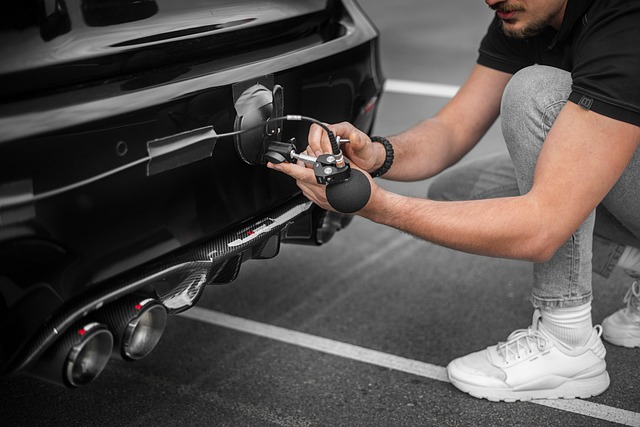
Before you can register your car in California, you’ll need to gather several crucial documents, ensuring a smooth and efficient process. Among these, the Vehicle Identification Number (VIN) is paramount. This unique 17-character code serves as the fingerprint of your vehicle, identifying its make, model, year, and other specifications. A reliable VIN verifier, such as a mobile vin inspection tool or app, can assist in confirming the vehicle’s authenticity and history, which is essential for legal registration.
In California, you may opt for a mobile vin inspection service, allowing you to verify the VIN digitally and conveniently. This modern approach streamlines the initial steps of registration by providing instant access to detailed vehicle information, including any historical accidents or outstanding issues. Data from a mobile vin verifier can be instrumental in avoiding potential problems later on, as it offers a comprehensive view of the car’s past.
Along with the VIN verification, you’ll require other essential documents like the title certificate (if applicable), proof of insurance, and current vehicle inspection results. It’s also important to have personal identification documents like a driver’s license or state ID card. When gathering these materials, consider using digital copies or organized PDFs to ensure accessibility and ease during the registration process. This proactive approach can save time and help avoid delays at the California Department of Motor Vehicles (DMV).
Use VIN Verifier to Ensure Vehicle Authenticity

Registering a car in California involves a meticulous process designed to ensure consumer protection and accurate vehicle documentation. One critical step in this journey is using a Vehicle Identification Number (VIN) verifier to confirm the authenticity of your vehicle. This isn’t just a recommended practice; it’s a crucial verification method that can safeguard you from potential fraud or scams. The California Department of Motor Vehicles (DMV) recognizes the importance of this step, encouraging owners to employ modern tools like mobile VIN verifiers for convenience and accuracy.
A mobile VIN verifier is an app-based tool that enables users to input their vehicle’s unique VIN and receive instant verification about its history. This digital solution streamlines the process, eliminating the need for extensive document checks or visits to third-party services. By comparing the provided VIN with databases containing information from manufacturers and official records, these verifiers offer a comprehensive snapshot of the vehicle’s past, including ownership history, accident reports, and any outstanding recalls. For instance, a 2019 study by the DMV found that over 80% of vehicles with verified clean titles through mobile VIN inspection had no reported issues, underscoring their effectiveness in ensuring legitimate transactions.
However, not all VIN verifiers are created equal. It’s essential to use reputable services known for their robust databases and precise data accuracy. Some apps may provide incomplete or inaccurate information due to outdated records or limited access to global vehicle registries. To avoid these pitfalls, consider using a service that promises continuous updates and integrates with international data networks. This ensures that you’re making informed decisions based on the most current vehicle history reports. By embracing modern tools like mobile VIN verifiers, California car registrants can confidently navigate the registration process, knowing their vehicles are authentic and their transactions are secure.
Complete the Online or In-Person Registration Process

Registering a car in California involves completing either an online or in-person registration process, both designed to ensure vehicle identification number (VIN) authenticity using advanced tools like a mobile VIN verifier. The California Department of Motor Vehicles (DMV) recommends utilizing official services for accurate and legitimate VIN inspections, which are crucial steps in the registration journey. Online registration is convenient, allowing drivers to complete forms digitally, upload documents, and pay fees through the DMV’s website. This method streamlines the process, but it requires a reliable mobile VIN verifier to ensure your vehicle’s history is verified accurately.
For instance, many third-party apps and services offer mobile VIN inspection capabilities, providing real-time data on a vehicle’s previous owners, maintenance records, accidents, and outstanding issues. These digital tools enhance transparency and peace of mind during the registration process. In-person registration offers an alternative for those who prefer face-to-face interactions or need assistance with paperwork. At a DMV office, customers can meet with representatives who can guide them through the forms and ensure proper VIN verification using official resources, including mobile VIN inspectors.
When choosing between online or in-person registration, consider factors like your comfort level with technology, access to necessary documents, and available support systems. Using a mobile VIN verifier throughout the process ensures accuracy and efficiency, making vehicle history checks seamless for both online and in-person registrations. Whether completing the process remotely or at a local DMV, adhering to these guidelines will facilitate a smooth car registration experience in California.
Verify and Maintain Your Registered Vehicle's Status

Maintaining your vehicle’s registration status is a crucial aspect of car ownership in California. Once registered, it’s essential to periodically verify and confirm that all details remain accurate and up-to-date. This process ensures compliance with state regulations and can help prevent potential issues like fines or legal complications. One effective method to stay on top of this is by utilizing a mobile VIN inspection service, which provides an efficient and convenient way to check and keep track of your vehicle’s registration status.
A Vehicle Identification Number (VIN) verifier tool can cross-reference the provided VIN with state records, offering comprehensive insights into the vehicle’s history and current standing. This includes details such as ownership changes, accident reports, and outstanding recalls, all of which are vital to know. For instance, a simple mobile VIN verification can reveal if a previously reported stolen vehicle has been recovered or if there are open safety issues that need addressing. Regularly conducting these checks ensures you stay informed about your car’s past and present, fostering responsible ownership.
Additionally, keeping an eye on registration updates is beneficial when considering selling or trading your vehicle. A mobile VIN inspection can help ensure a smooth transfer process by confirming the vehicle’s status before any transaction. This proactive approach not only saves time but also serves as a protective measure against potential fraud or disputes. By integrating these verification practices into your vehicle management routine, California drivers can confidently navigate the complexities of car ownership and registration maintenance.
By following these comprehensive steps, from understanding California’s car registration requirements to utilizing a VIN verifier for vehicle authenticity, you can efficiently navigate the registration process. Gathering necessary documents and completing either an online or in-person registration ensures your vehicle is legally recognized. Continuous verification and maintenance of your registered status are crucial, emphasizing the importance of staying compliant. This authoritative guide equips readers with the knowledge to confidently register their vehicles, ensuring a seamless and lawful ownership experience.