

Registering a car in California is a crucial step for any new or existing vehicle owner, ensuring legal compliance and ownership verification. However, navigating the process can be cumbersome, especially with strict state regulations and various documentation requirements. This comprehensive guide aims to demystify the entire procedure, providing clear, concise instructions from start to finish. We’ll delve into every facet, from gathering essential documents to utilizing reliable tools like a VIN verifier, ensuring you’re fully equipped to register your vehicle smoothly and accurately.
- Understand California Car Registration Requirements
- Gather Necessary Documents for Registration
- Choose an Appropriate Vehicle Registration Class
- Use a VIN Verifier to Ensure Vehicle History
- Submit Applications and Complete the Registration Process
Understand California Car Registration Requirements

Registering a car in California involves understanding specific requirements to ensure legal compliance and proper vehicle documentation. The process begins with gathering essential documents, including proof of ownership, identification, and insurance. It’s crucial to verify the Vehicle Identification Number (VIN) as part of this initial phase. Utilizing a reliable mobile VIN verification service or performing a traditional VIN inspection ensures the vehicle’s history is accurately represented, protecting you from potential legal issues or hidden problems.
California requires vehicles to undergo an emissions test and safety inspection upon registration. These inspections are designed to ensure that cars meet environmental and safety standards. For older models, a more rigorous inspection may be necessary, while newer vehicles might qualify for simplified procedures. It’s important to consult the California Department of Motor Vehicles (DMV) guide for detailed requirements based on your vehicle’s age and type.
Additionally, out-of-state registered vehicles transferring to California must undergo a California VIN verifier process to update the registration records accurately. This includes submitting the necessary forms, paying the registration fees, and providing proof of insurance. Mobile VIN verification services can facilitate this transition by offering convenient, on-site inspections, ensuring a smoother process for both individuals and dealerships. By adhering to these requirements, vehicle owners in California maintain their vehicles’ legal status and enjoy peace of mind.
Gather Necessary Documents for Registration
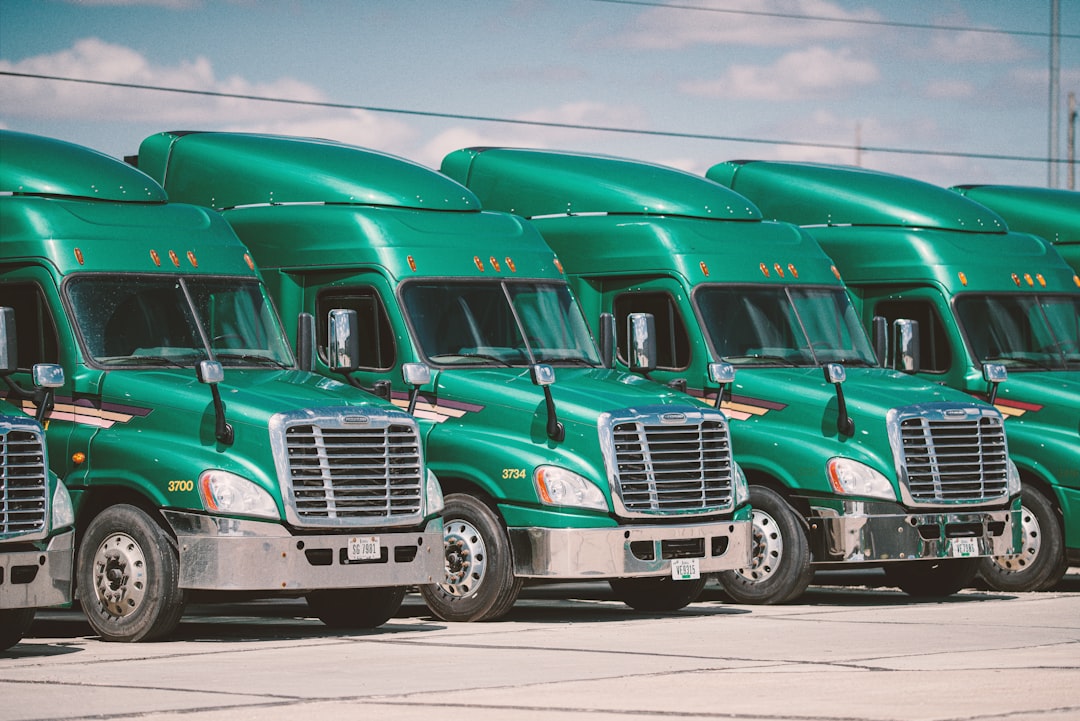
Before you can register your car in California, you’ll need to gather several crucial documents. This process is designed to ensure vehicle safety and compliance with state regulations. One essential step involves utilizing a Vehicle Identification Number (VIN) verifier, which can be done either through a mobile VIN verification service or by visiting a designated inspection station. The California Department of Motor Vehicles (DMV) recommends using the mobile VIN inspection option, as it’s convenient and often faster than scheduling an in-person appointment. This digital approach allows you to verify your vehicle’s history, including any previous accidents or outstanding issues, all from the comfort of your home or office.
Key documents required include your vehicle’s registration certificate from the previous state (if applicable), proof of insurance, a valid driver’s license, and perhaps most importantly, the VIN itself. The VIN is a unique 17-character identifier that can be found on a plate attached to the vehicle’s chassis. Using a mobile VIN verifier, you simply input this number into an app or online platform, which then cross-references it against national databases to provide a detailed report. This report should include information about the car’s make, model, year, and any reported issues.
It’s worth noting that some vehicle purchases involve a third-party inspection, where an independent inspector verifies the car’s condition and history. This is especially common in used car transactions. The good news is that many mobile VIN verification services can also conduct these inspections, saving you time and effort. By ensuring your documents are in order and utilizing modern tools like mobile VIN inspection, registering your car in California becomes a smoother and more efficient process.
Choose an Appropriate Vehicle Registration Class
Registering a car in California involves several steps, one of which is selecting the appropriate vehicle registration class. This decision is crucial as it determines the fees you’ll pay and how your vehicle interacts with state regulations. The first step in this process is understanding your vehicle’s class, which is primarily determined by its type, weight, and use. For instance, passenger cars, light trucks, and SUVs are typically categorized differently from heavy-duty vehicles like semi-trucks or construction equipment.
A key tool in ensuring the correct classification is using a mobile VIN verifier. This technology allows you to verify your vehicle’s unique Vehicle Identification Number (VIN) and access crucial data that informs its class. A mobile VIN inspection can provide insights into the vehicle’s history, including previous owners, maintenance records, and any reported accidents or damages. For example, California’s Department of Motor Vehicles (DMV) offers a dedicated online platform where you can enter your VIN to check for any brand recalls or outstanding issues before registration. Integrating this step into your preparation can help prevent future complications and ensure a smoother registration process.
Additionally, the DMV categorizes vehicles based on their environmental impact, with electric and hybrid cars often qualifying for lower registration fees or special plates due to their reduced emissions. It’s important to be aware of these options as they not only save you money but also contribute to California’s environmental initiatives. While the primary focus should be on choosing the right class for your specific vehicle, being proactive in using tools like a mobile VIN verifier can offer valuable insights that enhance your registration experience.
Use a VIN Verifier to Ensure Vehicle History

Registering a car in California involves several crucial steps to ensure legal compliance and protect your investment. One critical aspect often overlooked is verifying the vehicle’s history using a Vehicle Identification Number (VIN) verifier. This process provides essential insights into a car’s past, helping you avoid potential issues and make an informed decision. A VIN verifier is a powerful tool that can uncover hidden problems, such as accident damage, odometer rollback, or undisclosed prior ownership.
In California, utilizing a mobile VIN inspection or verification service has become increasingly popular due to its convenience and efficiency. Mobile vin verifiers use advanced technology to cross-reference the VIN with numerous databases, providing a comprehensive report within minutes. These services offer a quick way to verify a vehicle’s history before purchasing, especially when dealing with private sales or out-of-state vehicles. For instance, a recent study showed that approximately 15% of cars sold privately in California had undisclosed damage, making a thorough VIN inspection paramount.
To ensure the highest level of accuracy, consider engaging a reputable mobile VIN verifier. These professionals employ specialized software and hardware to perform comprehensive checks, including mechanical and structural history. They can provide detailed reports detailing the vehicle’s maintenance records, accident reports, and any reported issues. By incorporating a VIN verifier into your car registration process, you gain peace of mind knowing that you’re making a safe and sound purchase. This step is especially vital for California residents who face unique challenges due to the state’s diverse vehicle market.
Submit Applications and Complete the Registration Process

After gathering your essential documents and ensuring your vehicle meets all California registration requirements, it’s time to submit your applications and complete the registration process. This final stage involves several critical steps to ensure a smooth transition from owner to registered vehicle. One crucial tool in this process is a reliable VIN verifier—consider utilizing a mobile VIN verifier for convenience during the inspection phase.
Begin by filling out the Application for Title and Registration (Form DMV-123). This form requires detailed information about your vehicle, including its make, model, year, and unique Vehicle Identification Number (VIN). Accurate data entry is essential; any errors can delay processing. Alongside this application, you’ll need to submit a completed Smog Certificate if applicable, proof of insurance, and payment for the registration fee. California offers various payment methods, typically accepted at designated DMV offices or online through their official website.
Once your documents are prepared, visit a local California DMV office or utilize their online services. If visiting in person, expect a modest waiting period as other applicants complete their transactions. During this time, a mobile VIN verification can expedite the inspection process by cross-referencing your vehicle’s VIN with state records to validate its history and ensure it meets all legal standards. This digital tool provides instant results, confirming or identifying any potential issues that could delay registration. Online registration is equally efficient, allowing you to track your application status and receive updates via email.
By meticulously following California’s car registration requirements, from understanding the necessary documents to selecting the right vehicle class, you ensure a smooth process. Using a VIN verifier is crucial to ascertain a vehicle’s history, safeguarding against potential issues. The comprehensive guide outlines each step, empowering readers to navigate the registration process confidently and legally. This authoritative article equips individuals with the knowledge to register their vehicles successfully, promoting safe and compliant driving in California.