

Registering a car in California is a crucial step for any new or existing vehicle owner. It ensures your vehicle’s legal status, allows you to hit the road, and enables access to essential services like insurance and title transfer. However, navigating the process can be complex, especially with varying requirements across counties. This article serves as your comprehensive guide, breaking down each step, including VIN verification, to ensure a seamless registration experience. By following these expert-backed instructions, you’ll efficiently complete the process, securing your vehicle’s future in the Golden State.
- Gather Necessary Documents for Car Registration
- Prepare Your Vehicle for Inspection: VIN Verification
- Choose a California Department of Motor Vehicles (DMV) Office
- Complete the Registration and Title Application Process
- Pay Fees and Receive Your Vehicle's Registration Papers
Gather Necessary Documents for Car Registration

Registering a car in California involves several steps, but having the right documents ready is crucial for a smooth process. One of the critical initial steps is ensuring proper vehicle identification number (VIN) verification. This involves gathering essential papers that prove ownership and the car’s identity. Among these, a valid registration certificate from the previous state of residence is paramount, along with a bill of sale or purchase agreement detailing the transaction. If you’ve recently bought your vehicle, ensure you have documentation from the dealer confirming the sale.
For added convenience and accuracy, many California residents opt for a mobile VIN verifier. These services allow for remote inspection of a vehicle’s history through its unique VIN number. This is particularly useful when acquiring a used car, as it can reveal prior ownership, accidents, or outstanding issues that might affect registration. Some mobile vin verification apps even provide instant reports, making the process quicker and easier than traditional methods.
In some cases, original documents may not be readily available, especially for vintage or classic cars. Here, obtaining a historical vehicle registration or working with a specialist to trace ownership history can be necessary. It’s important to remember that California’s Department of Motor Vehicles (DMV) has specific guidelines for various vehicle types, so always consult their website or local office for up-to-date requirements. Proper documentation is key; without it, the registration process may face delays or even denial.
Prepare Your Vehicle for Inspection: VIN Verification

Before you can register your car in California, your vehicle must pass a rigorous inspection process, which includes thorough VIN verification. This step ensures that every car on California’s roads meets specific safety and environmental standards. During the VIN verification process, a trained inspector will meticulously examine your vehicle’s unique Vehicle Identification Number (VIN), cross-referencing it against comprehensive databases to validate its authenticity and history.
It’s crucial to understand that this isn’t just about checking for obvious issues; mobile VIN inspection services now allow for detailed scrutiny of even the most subtle components, including engine and transmission specifications, safety features, and historical accident records. This advanced approach has become increasingly vital as vehicle technologies evolve, with electric vehicles (EVs) and autonomous driving systems introducing new complexity to traditional VIN verification methods.
For instance, some mobile VIN verification services utilize cutting-edge technology like barcode scanners and RFID tags to expedite the process while ensuring accuracy. In California, where a high volume of vehicles require registration each year, these efficient mobile inspections play a significant role in streamlining the overall registration process, allowing drivers to complete their paperwork promptly. It’s worth noting that some companies even offer same-day service, providing convenience and peace of mind for those looking to register their cars swiftly.
Choose a California Department of Motor Vehicles (DMV) Office
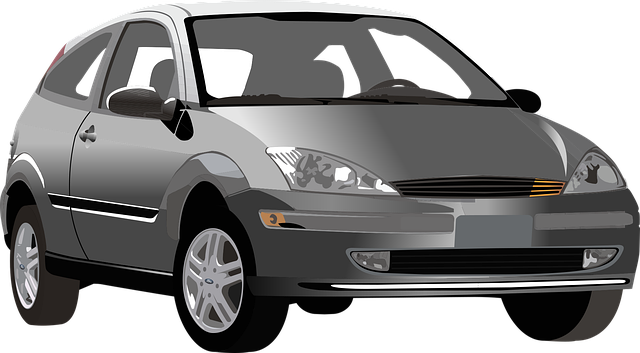
Choosing the right California Department of Motor Vehicles (DMV) office is a crucial step in the car registration process. With numerous locations across the state, each equipped with its own set of services and capabilities, selecting the appropriate DMV can significantly impact your experience. For instance, some offices excel in handling complex transactions, while others might be better suited for routine renewals or title transfers. It’s advisable to factor in convenience, waiting times, and the specific services you require, such as VIN verification.
VIN (Vehicle Identification Number) inspection is a critical aspect of car registration, ensuring that every vehicle on California roads bears an authentic identifier. Many DMV offices now offer mobile VIN verifier services, allowing for faster and more efficient verifications. This modern approach streamlines the process, reducing wait times and enhancing customer satisfaction. For instance, if you’re in Los Angeles, exploring options like a mobile VIN verification service could save you valuable time during peak hours.
When deciding on an office, consider your vehicle’s make and model to gauge the complexity of the registration process. Luxury or classic cars might require specialized knowledge for certain procedures, including VIN inspection. In such cases, opting for a DMV with trained personnel or utilizing mobile services that cater to these niche needs can be immensely beneficial. Additionally, checking the average waiting times for VIN inspections at different locations provides valuable insight into the efficiency of each office.
Complete the Registration and Title Application Process

To complete the registration and title application process for your vehicle in California, you’ll need to gather essential documents and pass a Vehicle Identification Number (VIN) verification step. This ensures that your car matches the information on record, protecting both you and the state from fraud. Start by acquiring the necessary forms from the California Department of Motor Vehicles (DMV). Fill out the Application for Title and Registration thoroughly, double-checking all details against your vehicle’s documentation.
For a smooth process, consider utilizing a mobile VIN inspection service or a trusted vin inspection company. These services can efficiently verify your vehicle’s history, including its previous ownership, accident records, and any outstanding recalls, by using the unique 17-character VIN number as a key. This step is crucial for establishing the car’s authenticity, especially when buying a used vehicle. Once your VIN has been verified, you’ll receive a clean bill of health, confirming that your car meets all legal standards.
If issues are identified during the mobile vin inspection, address them promptly. Correcting problems before submitting your application can prevent delays and potential rejections. Remember, California’s DMV offers various services to streamline vehicle registration, but ensuring your VIN is accurately verified by a reputable mobile verifier or service is key to a successful and stress-free process.
Pay Fees and Receive Your Vehicle's Registration Papers
After completing your vehicle’s purchase, the next step in registering your car in California involves paying necessary fees and receiving your official registration papers. This process is a crucial aspect of legal ownership and ensures your vehicle complies with state regulations. You’ll need to secure several documents and make specific arrangements for verification before proceeding.
The California Department of Motor Vehicles (DMV) outlines clear guidelines for fee payment, emphasizing the importance of accurate information. You’ll be required to pay a registration fee, which varies based on vehicle type and age. Additionally, taxes and other applicable charges may apply, so reviewing the breakdown is essential. Payment can typically be made online or at your nearest DMV office using various methods, ensuring convenience for California residents.
Obtaining your vehicle’s registration papers is a multifaceted process. Following your fee payment, you’ll need to schedule a VIN (Vehicle Identification Number) inspection. This step involves verifying your car’s unique identifier through a mobile VIN inspection or an official DMV inspection station. The former offers flexibility by allowing you to have the inspection conducted at your convenience, while the latter ensures direct oversight from DMV officials. Accurate VIN verification is paramount for maintaining vehicle records and enhancing security against fraud.
Once your VIN inspection is complete and passed, you can expect to receive your registration documents in the mail. These papers will include essential details about your vehicle, its registration status, and renewal dates. Keeping these records updated is vital for smooth ownership transitions and timely renewals, ensuring your car remains legally registered in the Golden State.
Registering a car in California involves a straightforward process, from gathering essential documents to completing applications at a DMV office. Key takeaways include the requirement for VIN verification during inspection, ensuring your vehicle meets safety standards. It’s crucial to prepare all necessary paperwork, including proof of insurance and identification. Choose a convenient DMV location and expect to pay associated fees upon approval. After submission, you’ll receive your vehicle’s registration papers, allowing you to legally operate your car in the state. This comprehensive guide ensures residents and new Californians alike can navigate the process with confidence, providing a clear path to legal vehicle registration.