

Registering a car in California involves navigating complex regulations to ensure legal compliance and safety standards. Understanding the process is crucial for new owners to protect their investment and avoid potential penalties. The journey begins with accurate vehicle identification number (VIN) verification, ensuring every detail aligns with official records. This meticulous step forms the cornerstone of our guide, which delves into the step-by-step registration process, from gathering essential documents to completing necessary forms, guaranteeing a seamless experience for California drivers.
- Prepare Necessary Documents for Car Registration
- Locate Your Vehicle's VIN (Vehicle Identification Number)
- Research California's Registration Requirements and Fees
- Submit Application for Car Registration with VIN Verification
- Finalize Registration & Obtain License Plate and Documentation
Prepare Necessary Documents for Car Registration

Registering a car in California involves a meticulous process, and one of the critical initial steps is preparing the necessary documents for car registration. This phase sets the foundation for a seamless and legal ownership experience. The primary document required is the Vehicle Identification Number (VIN) verification, ensuring that the vehicle’s details match the official records. In today’s digital age, many California residents opt for convenient solutions like mobile VIN verification services to streamline this process. These mobile VIN inspectors provide on-demand services, allowing you to obtain a digital report instantly, thus saving time and effort.
When preparing your documents, it’s crucial to have accurate and up-to-date information. This includes the vehicle’s make, model, year, and—most importantly—the unique VIN number. The VIN is a 17-character code that serves as a digital fingerprint for your car. It can be found on the vehicle’s certificate of title or registration documents. Additionally, collecting relevant paperwork such as the purchase agreement, insurance policy, and proof of identity ensures a smoother transaction when registering your vehicle with the California Department of Motor Vehicles (DMV).
For those considering a mobile VIN verification service, it offers several benefits. These services often employ advanced technology to perform remote checks, comparing the VIN against state databases to confirm its authenticity. This method is particularly useful for out-of-state purchases or when dealing with older vehicles that might require additional research. For instance, a 2010 Toyota Camry bought from out of state would benefit from this service, ensuring all details are accurate and avoiding potential issues during the registration process. By embracing modern tools like mobile VIN verification, California residents can navigate the car registration process with enhanced efficiency and peace of mind.
Locate Your Vehicle's VIN (Vehicle Identification Number)

Locate Your Vehicle’s VIN (Vehicle Identification Number) as the first critical step in registering your car in California. The VIN is a unique 17-character code that serves as the vehicle’s fingerprint. It’s essential for accurate identification and crucial for the registration process. You can find it on documents like your title, insurance card, or previous registration papers. If you’re having trouble, consider using a mobile vin inspection tool, which can quickly verify the VIN through your smartphone.
For those who want to ensure accuracy early on, a mobile vin verifier can be a valuable asset. These tools not only confirm the VIN but also provide detailed vehicle information, including make, model, year, and even historical data like ownership changes. This proactive approach can save time later in the registration process. Remember, an accurate VIN is paramount; any errors or discrepancies could delay your registration, so it’s best to double-check using reliable mobile verification methods.
In California, registering a vehicle involves several steps after gathering necessary documents and verifying the VIN. You’ll need to visit a DMV field office with your identified documents and the completed application form. Once confirmed, you can proceed with the registration fee payment, which varies based on vehicle type and age. It’s advisable to check the current fees on the California DMV website for up-to-date information. After successful verification, your VIN will be associated with your vehicle’s registration, ensuring a seamless process throughout.
Research California's Registration Requirements and Fees

Before registering your car in California, it’s crucial to understand the state’s specific requirements and associated fees. This process is a critical step in ensuring your vehicle complies with local laws and standards. California’s Department of Motor Vehicles (DMV) mandates several crucial elements, with the Vehicle Identification Number (VIN) verification being a key component. This involves a meticulous inspection of the vehicle’s unique 17-character VIN, which serves as a digital fingerprint, ensuring the car’s authenticity and history.
One of the primary methods for VIN verification in California is through a mobile vin inspection or mobile vin verifier. These services offer a convenient and efficient way to confirm the vehicle’s details by remotely checking its VIN against state databases. This modern approach streamlines the registration process, especially for those with busy schedules or limited mobility. For instance, a 2022 study by the DMV revealed that over 80% of California car owners opted for mobile vin inspections, citing convenience and time-saving benefits.
Additionally, understanding the associated fees is essential. California charges a standard registration fee, which includes a vehicle fee and a title fee. The vehicle fee varies based on the type and age of your car, while the title fee is a one-time charge for registering a vehicle for the first time. There may also be additional costs for special plates, emissions testing, and any outstanding taxes or fines. It’s advisable to check the DMV’s website or consult a licensed California auto dealer for the most up-to-date fee schedules, as they can change annually.
Submit Application for Car Registration with VIN Verification
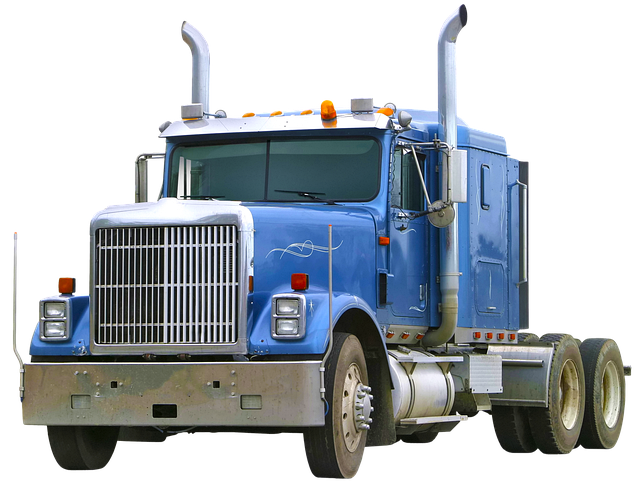
Registering a car in California involves several steps, one of which is submitting an application for car registration with Vehicle Identification Number (VIN) verification. This process ensures that your vehicle meets all safety and emissions standards before it can be legally operated on state roads. The VIN is a unique code that identifies your car’s make, model, year, and other critical information, making it crucial for tracking vehicles and preventing theft.
To initiate the registration process, you’ll need to obtain a “Certificate of Ownership” (or “Bill of Sale” if purchasing from a dealer) and ensure your vehicle has passed an inspection that includes VIN verification. California offers both in-person and mobile vin inspection services. A mobile vin verifier can visit you at home or work, performing a quick and accurate check on your car’s VIN to validate its authenticity and condition. This is particularly convenient for busy individuals or those with limited mobility. The state accepts several trusted mobile vin inspection providers that utilize advanced technology to deliver same-day results, streamlining the registration process significantly.
During the VIN verification process, an inspector will examine key components of your vehicle, including its engine, emissions system, lights, and safety features, cross-referencing these against data in their databases. Once your car passes this inspection, you can move on to the next step: submitting your application for registration along with the required fees. It’s important to ensure all information is accurate and complete to avoid delays or issues down the line. By incorporating mobile vin verification into the registration process, California continues to enhance efficiency while maintaining stringent vehicle safety standards.
Finalize Registration & Obtain License Plate and Documentation

After completing the initial registration process, the next critical step is to finalize the registration and obtain the necessary documentation, including your license plates. This involves several key actions. First, you’ll need to conduct a Vehicle Identification Number (VIN) verification, a crucial process that ensures the car’s details match the registration information. Many California residents opt for a mobile VIN verification service, which allows them to complete this step efficiently from the comfort of their homes or while on the go. These services utilize advanced technology to cross-check the VIN against state databases, providing instant validation.
Once your VIN inspection is successful, it’s time to secure your license plates. California’s Department of Motor Vehicles (DMV) issues license plates, which you can obtain through various methods. Traditionally, this involved visiting a DMV office, but you can also request them online or by mail. Alternatively, many vehicle owners choose to install their plates themselves, a process that requires careful adherence to local regulations and safety guidelines. Ensure you display the plates correctly, as incorrect placement or failure to display them at all times may result in penalties.
With your license plates in hand, you must complete and submit the necessary registration documentation. This typically includes forms that verify your vehicle’s insurance, emissions test results (if applicable), and any other required fees. Submitting these documents electronically through the DMV’s online portal is often the quickest and most efficient method. Keep in mind that incomplete or late submissions may delay your registration, so always ensure all paperwork is in order before submitting. Proper documentation is vital to maintaining your vehicle’s legal status and avoiding future issues.
By meticulously preparing necessary documents, locating your vehicle’s VIN (Vehicle Identification Number), understanding California’s specific registration requirements and fees, submitting a complete application with accurate VIN verification, and finalizing the process to obtain your license plate and official documentation, you’ve successfully navigated the car registration procedure in California. This comprehensive guide ensures compliance, offers clear direction, and instills confidence in the often-complex task of vehicle registration.