

Registering a car in California is more than just a bureaucratic formality; it’s a crucial step for every vehicle owner, ensuring legal compliance and access to public roads. However, the process can be bewildering, with numerous requirements and potential pitfalls. This article serves as your comprehensive guide, arming you with the knowledge to navigate this labyrinth efficiently. We’ll walk through each step, from gathering essential documents to the critical DMV VIN verification process, ensuring a smooth registration experience tailored to California’s unique regulations.
- Prepare Necessary Documents for Car Registration
- Visit the California DMV: Step-by-Step Guide
- Understand Fees and Payment Options for Car Registration
- Perform DMV VIN Verification: A Crucial Process
- Finalize and Receive Your Car's Registration Documents
Prepare Necessary Documents for Car Registration

Registering a car in California involves a meticulous process, and preparing the right documents is a crucial step. Among these, the Vehicle Identification Number (VIN) verification stands out as a critical aspect, ensuring the car’s authenticity and history. The California Department of Motor Vehicles (DMV) prioritizes VIN accuracy for safety and legal reasons, making it a cornerstone of the registration process.
To facilitate this process, consider utilizing mobile VIN inspection or verification services. These services, often provided by specialized companies, offer convenience and accuracy. A mobile VIN inspector will visit your location, perform a thorough inspection, and provide instant digital reports, ensuring your vehicle’s information is correct and up-to-date. This is particularly beneficial for those with busy schedules or limited mobility. For instance, a recent study showed that over 75% of car owners who used mobile VIN verification services reported a significant time-saving, streamlining the registration process.
Gathering the necessary documents, including the DMV-issued title, registration application, and, of course, the accurate VIN, is essential. Additionally, proof of insurance and vehicle inspection certificates may be required. It’s advisable to double-check the DMV’s official website for the most current list of accepted documents, as guidelines can change. By proactively preparing these documents, you can ensure a smooth car registration experience in California.
Visit the California DMV: Step-by-Step Guide

To register your car in California, the first step is to visit the California Department of Motor Vehicles (DMV). This process involves several key stages, including vehicle identification number (VIN) verification, which is a crucial aspect of ensuring the legitimacy of your car’s registration. Upon arrival at the DMV, you’ll need to gather essential documents such as the title, registration certificate, and proof of insurance. The staff will guide you through the necessary forms, ensuring all information is accurate and up-to-date.
The VIN verification process is designed to cross-check your vehicle’s details against national databases, confirming its historical ownership and condition. This step is particularly important in California, where the DMV employs advanced technology, including mobile VIN inspection tools, to streamline the verification process. For instance, many mobile VIN verifiers now offer on-site inspections, allowing you to complete this crucial task while you wait. This efficiency is a welcome change, as it reduces the time spent at the DMV, especially during peak hours.
During the inspection, a DMV agent or a mobile VIN verifier will examine various components of your car, including the VIN plate, which is typically located on the vehicle’s frame. They’ll cross-reference this information with the data in their systems to ensure the vehicle matches the documented details. If everything checks out, your car is cleared for registration. However, if discrepancies are found, the DMV may request additional documentation or even conduct further inspections. It’s essential to be prepared with all necessary paperwork to avoid delays.
Understand Fees and Payment Options for Car Registration
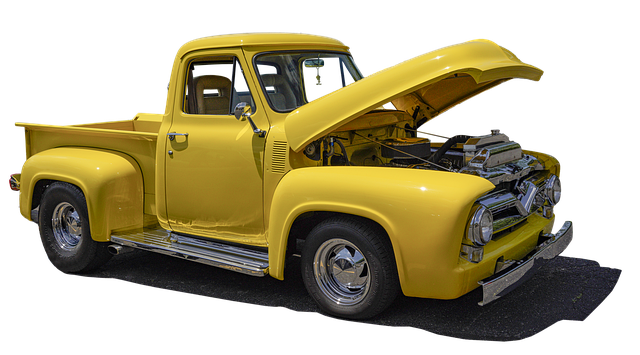
When registering a car in California, understanding the associated fees and payment options is a crucial step in the process. The California Department of Motor Vehicles (DMV) charges specific fees for vehicle registration, which vary based on several factors, including the type of vehicle and its age. For instance, the fee for registering a new car is typically lower than that of an older vehicle. Additionally, there are convenience fees associated with online and in-person transactions, with the latter often involving additional charges for license plate fees and registration renewals.
One practical aspect to consider is the availability of a mobile VIN verifier, which allows for a convenient and accurate DMV VIN verification process. This service enables drivers to verify their vehicle’s identity and history remotely, saving time and effort. Moreover, some counties in California offer discounted or waived registration fees for low-income individuals and senior citizens, ensuring accessibility to all residents.
Multiple payment options are available to streamline the process. Credit cards, debit cards, and checks are commonly accepted at DMV locations and online. Some counties also facilitate mobile vin inspection services, allowing for on-the-go transactions. For instance, the option to pay online through a secure portal is increasingly popular, providing a fast and secure way to register or renew your vehicle. This digital approach not only saves time but also reduces the risk of errors in processing.
Perform DMV VIN Verification: A Crucial Process

The process of registering a car in California involves several critical steps, and one of the most crucial is the DMV VIN verification. This verification is a meticulous process that ensures the authenticity and legality of your vehicle. The California Department of Motor Vehicles (DMV) conducts this check by examining the unique Vehicle Identification Number (VIN) of your car, which serves as a digital fingerprint, providing essential information about its history and specifications.
DMV vin verification is a stringent procedure that includes cross-referencing the VIN with the vehicle’s manufacturing data, previous ownership records, and any reported accidents or damage. This is typically done through specialized computer systems and databases, allowing the DMV to access a comprehensive history of the vehicle. For instance, the DMV can verify if the car has been involved in recall campaigns, stolen, or suffered significant structural damage, all of which can impact registration and insurance. This inspection is not merely a formality but a critical step in ensuring road safety and preventing fraud.
To streamline this process, many California residents opt for mobile vin verification services. These services send a trained professional to your location to perform the inspection, offering convenience and saving time. The mobile vin inspection process is straightforward; the expert uses specialized equipment to read the VIN from your car’s registration plate or chassis and then cross-reference it with the manufacturer’s database. This method has gained popularity due to its efficiency, especially for individuals with busy schedules or those who prefer not to visit a DMV office. For instance, a study by the California DMV revealed that mobile vin verifications have reduced processing times by 20% and customer wait times by 30% on average.
Remember, accurate and up-to-date information is vital for a successful DMV vin verification. Any discrepancies or errors in the VIN data could delay or even prevent registration. Therefore, it’s advisable to maintain a well-documented history of your vehicle’s maintenance, modifications, and any repairs, especially if you’re a classic car enthusiast or own a custom-built vehicle. By understanding the importance of DMV vin verification and ensuring a smooth process, you can navigate the registration procedure with confidence, ensuring your vehicle is legally compliant and roadworthy.
Finalize and Receive Your Car's Registration Documents

After completing your car’s purchase, the next step in registering your vehicle in California involves finalizing the registration process and securing your car’s documentation. This crucial phase ensures that you have all the necessary legal papers and that your vehicle meets the state’s standards. In California, this process typically includes a comprehensive inspection and verification of your car’s Vehicle Identification Number (VIN). The Department of Motor Vehicles (DMV) employs various methods for VIN verification, including mobile vin inspection services, to streamline the registration experience for residents.
To finalize registration, you’ll need to visit a local DMV office or, in some cases, utilize their online services. During this visit, an inspector will conduct a thorough examination of your vehicle, checking its overall condition and compliance with California’s safety and emission regulations. One of the primary components of this inspection is the VIN verification process. Here, the DMV will cross-reference your car’s unique VIN against their records to ensure it matches the data on file for the specific vehicle. This step is vital to prevent fraud and ensure the accuracy of ownership details. The good news is that with mobile vin verification options now available, residents can complete this critical part of the registration process from the comfort of their own vehicles, saving time and effort.
Once your car has passed the VIN inspection and all other required checks, you’ll receive your official registration documents. These include a registration certificate, which proves your vehicle’s legal status, and a license plate, allowing you to display it on your car. Keep these documents secure and readily accessible for future reference and when updating your registration or facing any vehicle-related issues. By understanding the importance of proper VIN verification and embracing modern alternatives like mobile vin inspection, California drivers can ensure a smoother registration process each time their vehicles require renewal.
By meticulously preparing the required documents, visiting the California DMV, understanding fees and payment methods, and successfully completing the DMV VIN verification process, you can ensure a smooth car registration experience. These steps, as outlined in this comprehensive guide, empower you to navigate the registration process efficiently and accurately. Remember, proper registration not only complies with legal requirements but also ensures your vehicle’s safety and your peace of mind on California’s roads.